
|
White Earthenware Clay |
Hazard Statements
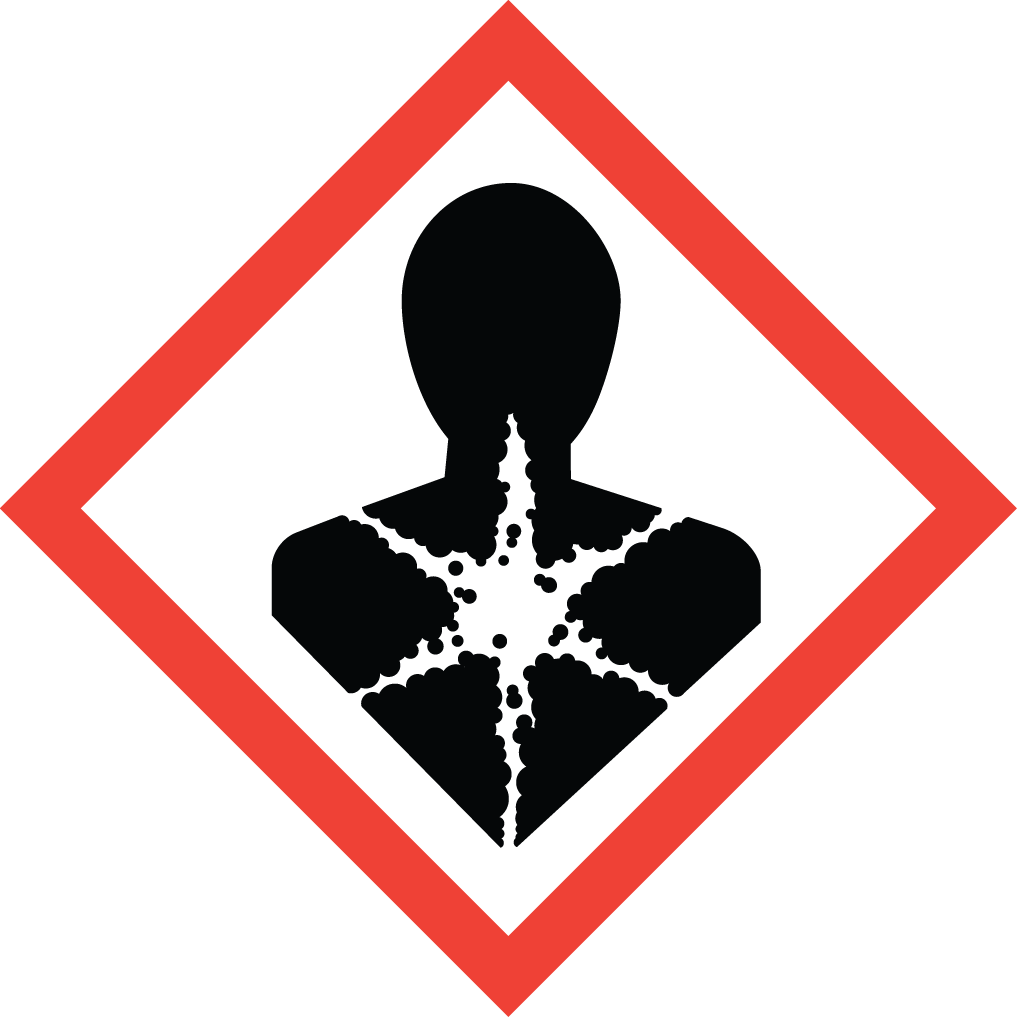
(H350) Cancer Hazard. Contains quartz (crystalline silica) which may cause cancer. Risk of cancer depends upon duration and level of exposure to the dust. Not an acute hazard. (H332) Prolonged inhalation of dust may cause lung injury. Inhalation of high concentrations of dust may cause mechanical irritation and discomfort of the respiratory tract. Repeated exposure may have chronic effects. (H316 + H320 + H335) Can cause skin, respiratory, and eye irritation.
Precautionary Statements
(P261) Avoid breathing dust. (P280) Wear protective gloves, eye, and respiratory protection
Manufacturer information
Name
Minnesota Clay Co.
Phone
(763) 432-0875
Address
2960 Niagara Ln N
Plymouth, MN 55447
PICTOGRAMS
HMIS
| HEALTH |
|
| FLAMMABILITY |
|
| PHYSICAL HAZARD |
|
| PERSONAL PROTECTION |
Respiratory Dust is generated when working with dry clay mixture. To minimize exposure to dust and/or crystalline silica, cutting or sanding dry clay products should be conducted with sufficient ventilation. Respirable dust and quartz levels should be monitored regularly. Dust and quartz levels in excess of appropriate exposure limits should be reduced by feasible engineering controls, including (but not limited to) wet sanding, wet suppression, ventilation, and process enclosure. When such controls are not feasible, NIOSH/MSHA approved respirators must be worn in accordance with a respiratory protection program which meets OSHA requirements as set forth at 29 CFR1910.134 and ANSI Z88.2-1080 “Practices for Respiratory Protection”. In most cases, a disposable N-95 Particulate Respirator is sufficient. Eyes Use of NIOSH/OSHA approved safety glasses with side shields is recommended. Face shields should also be used when dry sawing clay products. Wear tight fitting dust goggles when excessively (visible) dusty conditions are present or are anticipated. NIOSH recommends that contact lenses not be worn when working with crystalline silica dust. Skin and Body Protective Clothing is not essential. Use gloves and/or protective clothing if abrasion or allergic reactions are experienced. |
Le Sueur-Henderson Public Schools
Local data
SKU #