Quikrete Quick Setting Cement |
Hazard Statements
May cause cancer through chronic inhalation Causes severe skin burns and serious eye damage May cause an allergic skin reaction Causes damage to lungs through prolonged or repeated inhalation May cause respiratory irritation
Precautionary Statements
Do not handle until all safety precautions have been read and understood. Wear impervious gloves, such as nitrile. Wear eye protection, protective clothing and rubber boots. Do not eat, drink or smoke when using this product. Wash thoroughly after handling. Use only in a well-ventilated area. Do not breathe dust. If swallowed: Rinse mouth. Do NOT induce vomiting. If inhaled: Remove person to fresh air and keep comfortable for breathing. If in eyes: Rinse cautiously with water for several minutes. Remove contact lenses, if present and easy to do. Continue rinsing. If on skin (or hair): Remove immediately all contaminated clothing and wash before re-use. Rinse skin or hair with water. If significant skin irritation or rash occurs: get medical advice or attention. Immediately seek medical advice if symptoms are significant or persist. Store in a well-ventilated place. Keep container tightly closed. Dispose of contents/containers in accordance with all regulations.
Manufacturer information
Name
The QUIKRETE® Companies
Phone
(800) 282-5828
Address
5 Concourse Parkway,
Suite 1900
Atlanta, GA 30328
PICTOGRAMS
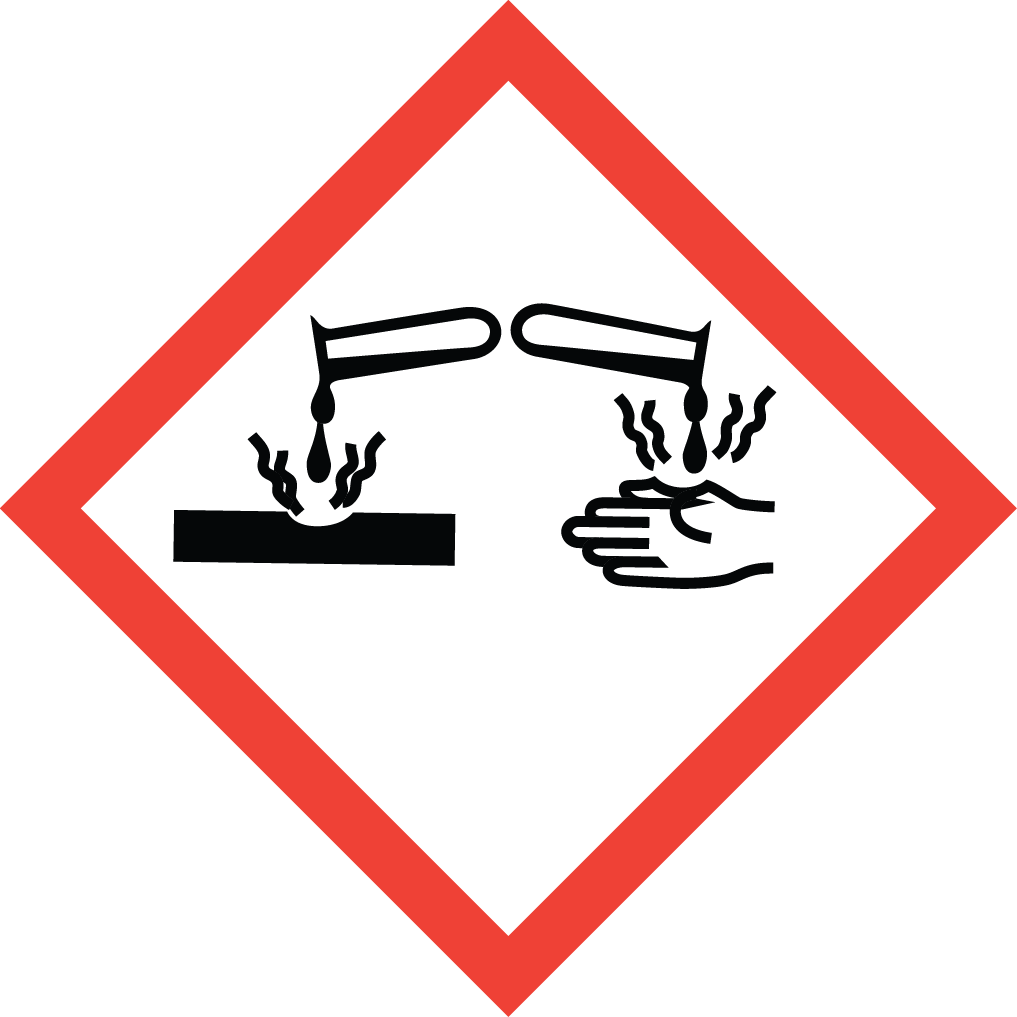
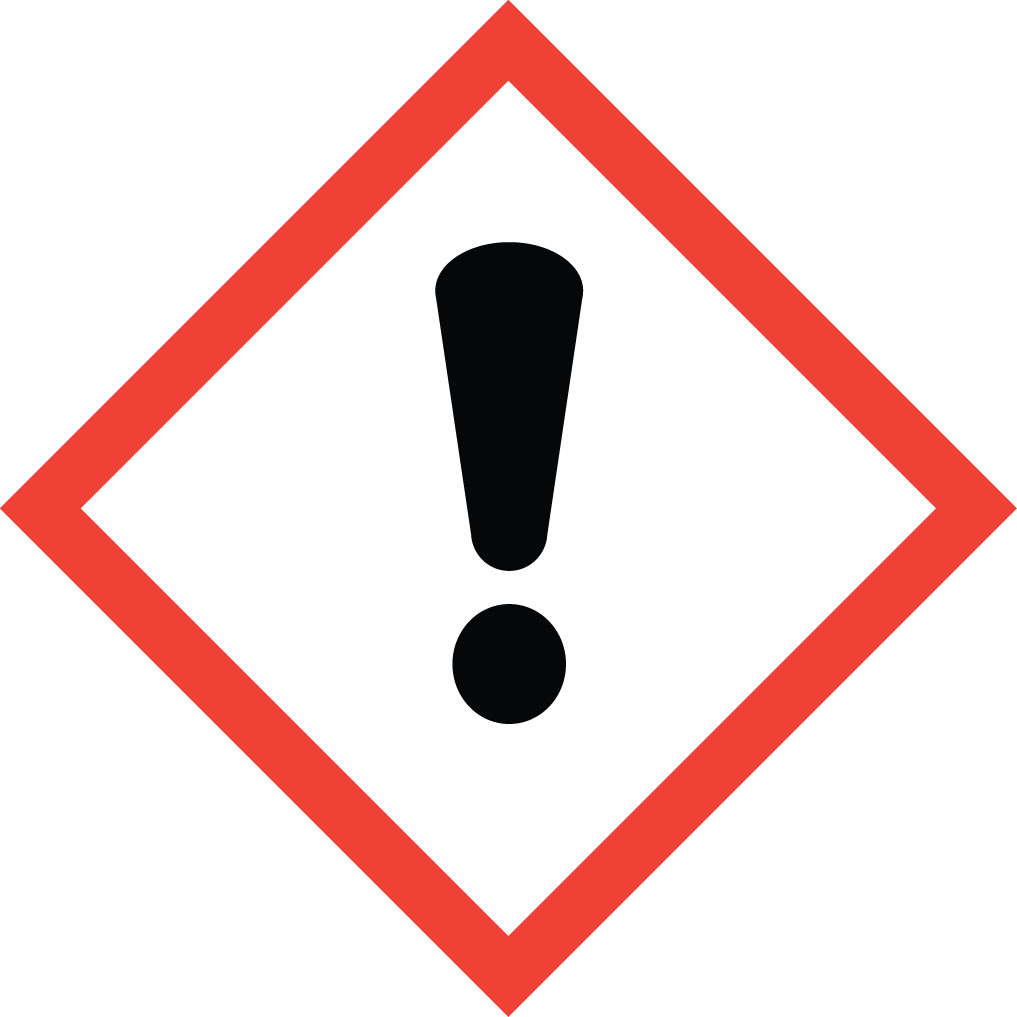
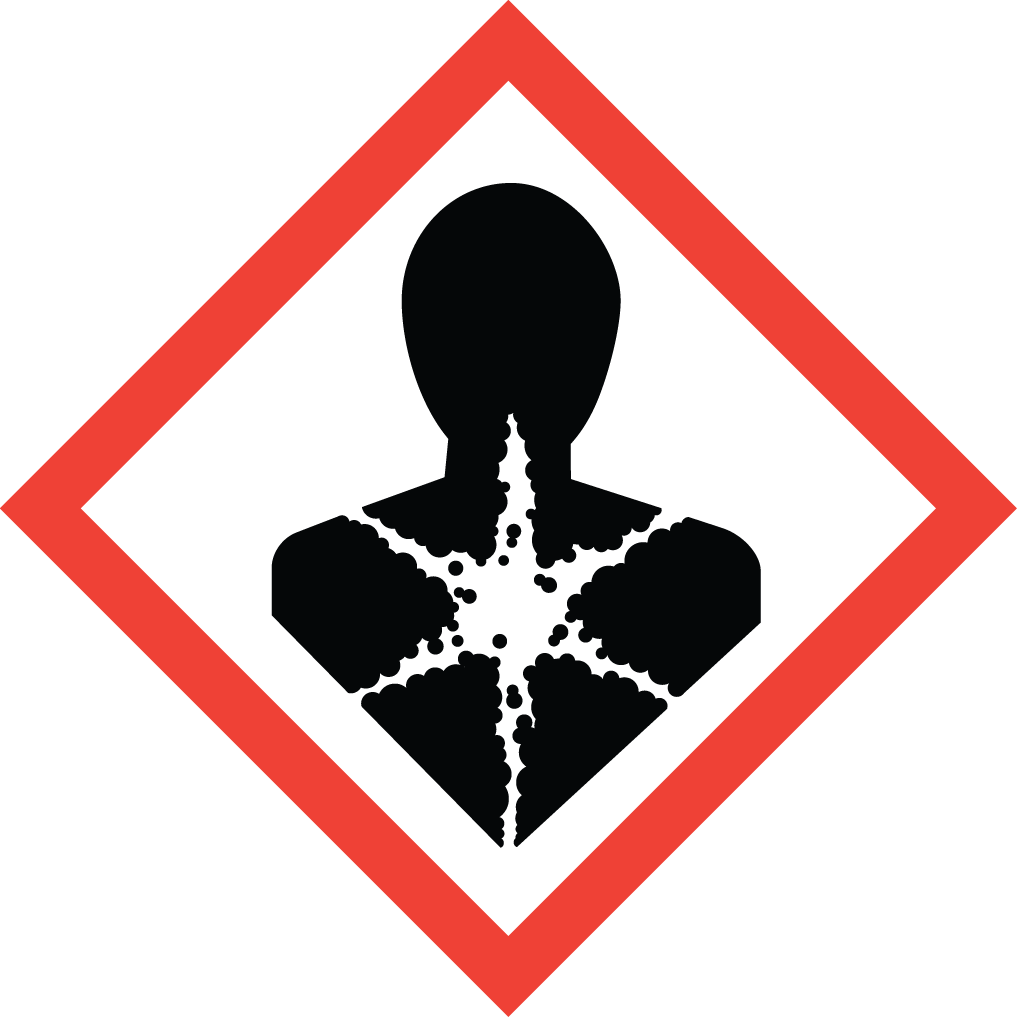
HMIS
| HEALTH |
|
| FLAMMABILITY |
|
| PHYSICAL HAZARD |
|
| PERSONAL PROTECTION |
Protection of hands and feet: Wear gloves of adequate length to offer appropriate skin protection from splashes. Nitrile, Butyl and PVC gloves have been found to offer adequate protection for incidental contact. Wear rubber boots when stepping in concrete. You cannot rely on pain to alert you to cement burns. Portland cement can cause dermatitis or sensitization. Eye protection: Wear approved eye protection properly fitted dust- or splash-proof chemical safety glasses. Respiratory protection: A NIOSH-approved dust mask or filtering face piece is recommended in poorly ventilated areas or when permissible exposure limits may be exceeded. Respirators should be selected by and used under the direction of a trained health and safety professional, following requirements found in OSHA’s respirator standard (29 CFR 1910.134) and ANSI’s standard for respiratory protection (Z88.2). |
Le Sueur-Henderson Public Schools
Local data
SKU #